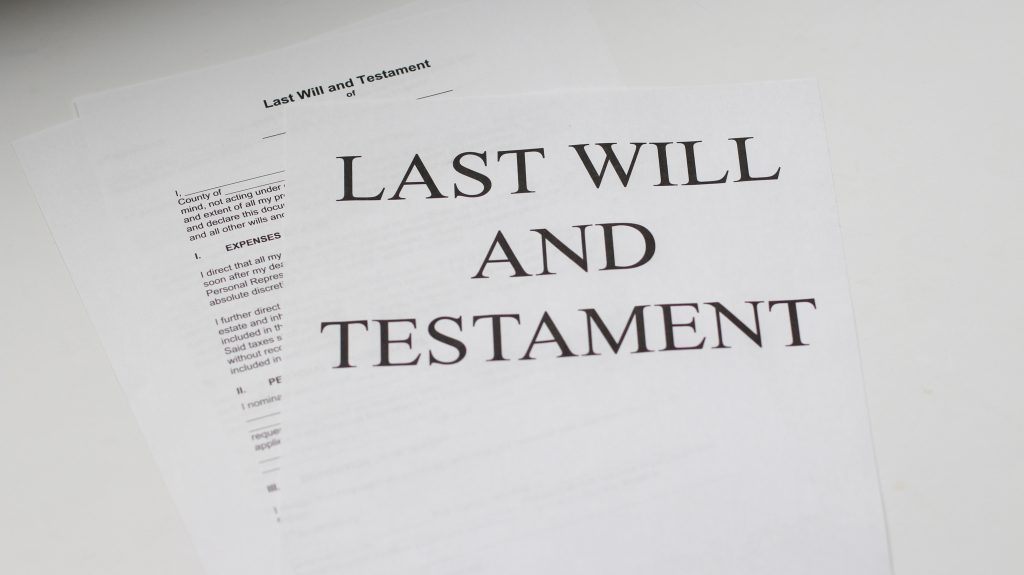
Owing to the COVID-19 pandemic, attestation of wills while adhering to the requirements under the Succession Act has proven to be rather difficult. This is because of the stringent measures such as restricted movement and social distancing which have been put in place to curb the virus. Witnessing of wills will now become close to impossible at such a time when the law makes it mandatory that a witness be physically present when a testator (will-maker) is writing their will.
The validity of a will is determined by the presence of witnesses declaring that the will was made by the will maker on a certain day and that they were present when a will maker made the will. A will must be attested by two or more competent witnesses. Each of the witnesses must sign the will in the presence of the will maker.
Challenges during witnessing/attesting to wills.
With the lockdown that has paralysed the travel and movement of people, family members seem like the closest persons who can attest to wills because of the easy of access. The law however mandates that witnesses to wills should not be beneficiaries in the estate of the executor (author of the will). This means that in the case that only family members are nearby to attest the will, the executor should be careful not to bequeath any part of the estate to the witnesses.
Over and above, it is clear that law makers while drafting the Succession Act could not have predicted the occurrence of these unprecedented times and hence the Act fails to provide for alternative means to attest wills.
Solutions implemented by other countries.
In certain parts of the world such as New Jersey in the United States, individuals can breathe a sigh of relief as they have implemented temporary regulations for governing attestation of legal instruments during the pandemic. The Covid-19 (Signing of instruments) (Jersey) Law Regulations 2020 ( Regulations), which came into force on 23 April 2020, provides temporary arrangements to enable wills to be witnessed safely by means of an audio and visual links if the required conditions are met. The Regulations require all witnesses to:
- See all the parties involved in the attestation by audio and visual links. All parties must see each other during the process;
- Affirmatively identify each party present including the testator; and
- Be satisfied, by whatever means, that the document being signed is in fact the true will.
- In the case of a will of immovables, each witness and the testator must hear, at the same time, the will read aloud in its entirety.