
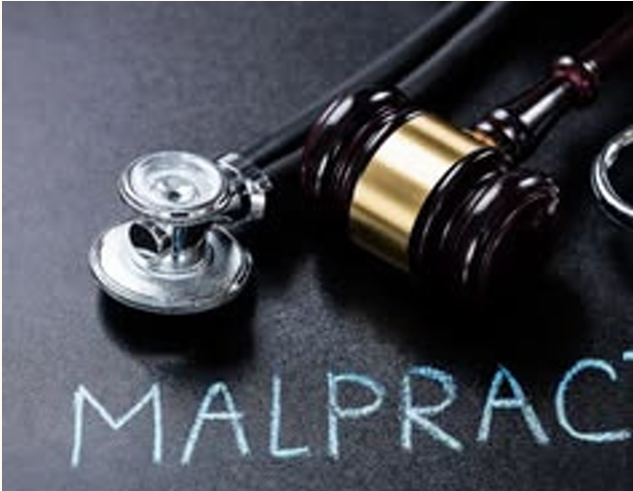
Medical treatment does not always produce the desired outcome. However, not every unsuccessful treatment amounts to medical malpractice. As healthcare services continue to expand across Kenya, both patients and healthcare providers are becoming increasingly aware of the legal rights, obligations, and liabilities that arise when medical care falls below acceptable standards.
This week’s discussion examines the legal concept of medical malpractice in Kenya, the rights available to patients, the process of seeking redress, and how medical practitioners can protect themselves against malpractice claims.
Defining Medical Malpractice
Medical malpractice occurs when a healthcare professional or healthcare facility fails to provide the level of skill, attention, and treatment that a reasonably competent practitioner would have provided under similar circumstances, resulting in injury, harm, or death to a patient. A key distinction must be made between an unfortunate medical outcome and actual negligence. Medical procedures and treatments inherently carry risks, and some patients may experience complications despite receiving appropriate care. Such outcomes do not automatically create legal liability.
Medical negligence arises where a healthcare provider departs from accepted medical standards and that departure directly causes harm to the patient. Examples may include surgical errors, failure to review critical test results, premature discharge of patients, or performing procedures without obtaining proper informed consent.
Patient Rights Under Kenyan Law
Kenyan law provides extensive protection for patients through the Constitution of Kenya, 2010 and the Health Act, 2017. Patients are entitled to:
- Access emergency medical treatment.
- Receive safe and quality healthcare services.
- Be treated with dignity and respect.
- Have their personal and medical information kept confidential.
- Receive accurate information regarding diagnosis and treatment options.
- Access their medical records.
- Seek a second medical opinion where necessary.
These rights reinforce the principle that patients are active participants in healthcare decisions rather than passive recipients of treatment.
The Importance of Informed Consent
One of the most significant legal obligations imposed on healthcare providers is the requirement to obtain informed consent. Informed consent goes beyond obtaining a signature on a consent form. Healthcare practitioners must adequately explain:
- The nature of the proposed treatment or procedure.
- Material risks and possible complications.
- Available alternatives.
- Expected outcomes.
Failure to disclose material risks may expose a practitioner or healthcare facility to liability even where the procedure itself was performed competently. The requirement may only be waived in limited emergency situations where immediate intervention is necessary to preserve life or prevent serious harm.
Responding to Suspected Medical Negligence
Patients who suspect medical malpractice should act promptly to protect both their health and their legal interests. Important steps include:
- Seeking independent medical attention where necessary.
- Obtaining copies of medical records, laboratory reports, scans, and discharge summaries.
- Keeping receipts and treatment-related documentation.
- Preparing a detailed timeline of events while recollections remain fresh.
- Limiting discussions with the healthcare provider to formal communications where appropriate.
Documentation frequently becomes the most important source of evidence in medical negligence proceedings.
Available Legal Remedies
Patients who believe their rights have been violated may pursue administrative remedies, civil proceedings, or both. Complaints may be lodged before the Kenya Medical Practitioners and Dentists Council (KMPDC), which has authority to investigate professional misconduct and impose disciplinary sanctions.
Healthcare professionals and facilities found to have breached their professional obligations may face a range of disciplinary measures through the regulatory process. Depending on the circumstances of the case, sanctions may include suspension of professional licences, mandatory retraining, financial penalties, or, in the case of healthcare institutions, closure of facilities found to be operating below the required standards.
In addition to regulatory proceedings, patients may pursue civil claims against healthcare providers and institutions to recover compensation for losses suffered as a result of negligent treatment. Where liability is established, courts may award special damages to reimburse proven financial losses such as medical expenses, rehabilitation costs, and other out-of-pocket expenditures. Courts may also award general damages to compensate for pain and suffering, emotional distress, permanent disability, loss of enjoyment of life, and other non-financial consequences arising from the injury.
Protecting Against Medical Malpractice Claims
While no healthcare professional is completely immune from complaints or litigation, many disputes can be prevented through strong clinical practices and effective communication. Accurate and comprehensive record-keeping remains one of the most important safeguards, as medical records often form the primary evidence in negligence claims.
Healthcare practitioners should also ensure strict compliance with professional standards, clinical guidelines, and institutional protocols while maintaining valid professional indemnity insurance to protect against potential legal and financial exposure.
Equally important is maintaining open and transparent communication with patients. Taking time to explain treatment options, risks, and expected outcomes helps manage expectations and build trust. In many cases, patients are more likely to pursue legal action following a breakdown in communication than as a result of the medical outcome itself. Clear communication, proper documentation, and adherence to professional standards therefore remain the most effective tools for minimizing malpractice risks.
Governance & Risk Implications
Healthcare providers should prioritize:
- Strong clinical governance structures.
- Effective record-keeping systems.
- Ongoing professional training.
- Robust patient communication protocols.
- Compliance with regulatory standards and professional codes of conduct.
Patients should prioritize:
- understanding their rights.
- maintaining proper records of their treatment.
How We Can Help:
- Advise patients and healthcare providers on medical negligence and healthcare liability issues.
- Represent clients before the Kenya Medical Practitioners and Dentists Council.
- Represent clients in medical negligence litigation.
- Review healthcare compliance frameworks and risk management procedures.
- Provide legal support on patient rights, informed consent, and healthcare governance matters.
DISCLAIMER
This newsletter is for informational purposes and shouldn’t be interpreted as Legal advice. For inquiries or clarifications visit:
Nyumba Bora Building,
1st Floor, Suite 5 & 6,
Karen Road, Karen
P.O. Box 22704 – 00505,
Nairobi.
EMAIL: info@ngugimburu.com
Cell: 0739-955-544